
You might have read after last week’s F1 pre-season testing that Max Verstappen referred to the new cars as ‘Formula E on steroids’. So… if F1 is heading slightly in that direction this year, maybe it’s worth understanding what Formula E actually is, beyond the memes.
What Formula E Actually Is#
Think of it as F1 cars dropped on Monaco-like tracks, powered by batteries instead of fuel.
Formula E is a single-seater world championship that held its inaugural race in 2014. As an FIA-governed series, its points system and regulations will feel familiar.
From the start, Formula E set out to bring racing closer to fans, which is why it has primarily run on street circuits. That doesn’t mean dedicated tracks are absent. In fact, more have appeared on the calendar in recent seasons, often with added chicanes to aid energy recuperation
In the grand scheme of things, Formula E is Formula 1’s electric cousin, built around efficiency and energy management. After all, you don’t want to run out of energy before the chequered flag.
Biggest Difference to F1#
The hint is in the previous section. Energy is the game.
Just as F1 teams start with less fuel than required to finish flat out, FE cars begin with less usable energy than needed to race at full pace throughout. On top of that, drivers and teams don’t immediately know their exact battery percentage. It’s only shown on broadcast a few minutes into the race.
This uncertainty adds an element of trepidation and forces caution around energy usage. Expect lift-and-coast early on, along with constant energy saving. Think back to fuel saving in the V8 and V10 era of F1, or managing tyre degradation over a stint.
It’s no secret that battery technology is the limiting factor in electric vehicles, so it helps that FE pushes for development despite being a spec championship. Races now last 45 minutes, and that is a huge improvement considering the first generation cars couldn’t last nearly half as long and drivers would literally swap cars mid race. It’s worth looking up old clips; they’re equal parts amusing and painful.
Chaos Factor#
If you’re anything like me, you like a bit of chaos in F1 and let me tell you something. FE is full of that. Think of the craziest wet F1 races and you’ll get an idea of how FE is. Tonnes of overtakes, crashes, and near misses on tight tracks, aggressive driving and lots of strategic options resulting in last-minute changes.
While you might know who will win in F1, you can’t discount anyone in FE. You often get a lot of charges through the field, and that’s something any motorsport fan would love.
And guess what? Monaco is the most boring race in F1, but it might be the best race in FE.
Experimentation Masters#
Some ideas stick. Others don’t. But few championships are as willing to try something new.
That willingness has produced a mix of bold concepts — some controversial, some clever — and it’s part of what gives the series its distinct identity
One of the craziest was FanBoost where fans would vote for their favourite drivers and the “most popular” drivers would get a temporary boost in power during the ePrix. This was cool, but rather unfair since the same few drivers would always get the vote. So… FE did away with it. Here’s a video on some of the most memorable FanBoost moments.
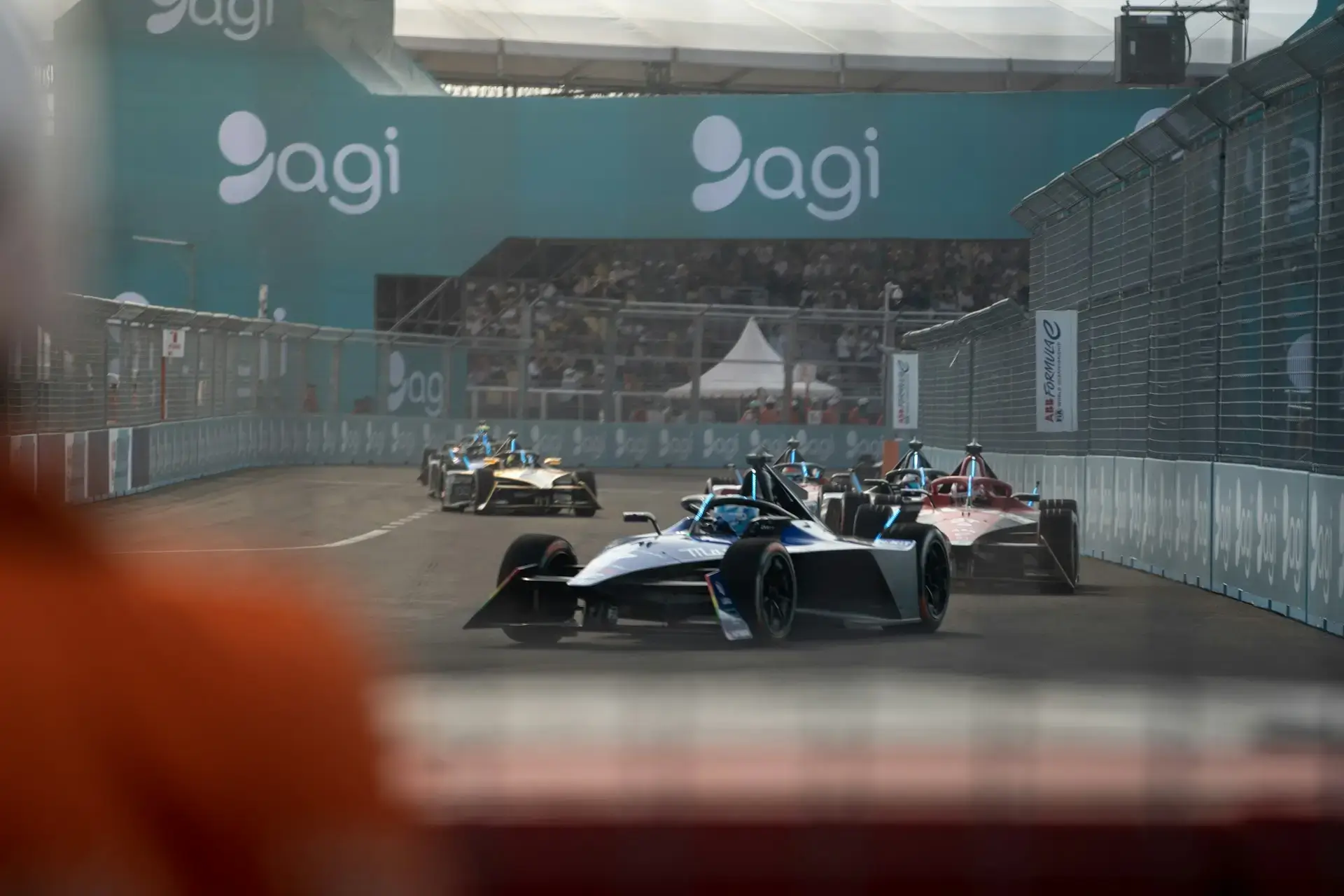
Attack Mode is one of the ideas that seemed like a gimmick but eventually stuck. Think of it like a joker lap in rallycross where a driver goes off the racing line and potentially loses some positions but gets a temporary power boost and all-wheel drive. This introduces an element of strategy and is great for overtakes. Just look at the recent 2026 Jeddah ePrix highlights (Round 4) – cars in Attack Mode have their LED strips lit blue.
How to Watch#
If F1 leans further into electric deployment and energy management, adding Formula E to your watchlist isn’t a huge leap. You don’t have to swap one for the other. Just make room for both.
In some regions, races are streamed live on YouTube. If you’re lucky enough to have that option, you’re sorted. If not, check the Formula E website to find your local broadcaster.
And if that still feels like effort, start with qualifying and race highlights on the Formula E YouTube channel. Pick a few recommended races, follow a team or driver, and ease your way in.
In the end, just ignore the memes. It’s not F1. And that’s the point.
Reply by Email